

The Central Pollution Control Board's National Clean Air Programme mandated that all non-attainment cities finish emission inventory and source apportionment studies by 2024. As of November 2026, four NCR cities - Noida, Faridabad, Ghaziabad and Gurgaon? No, per Indian Express report, Noida, Faridabad and two others - are yet to complete them.
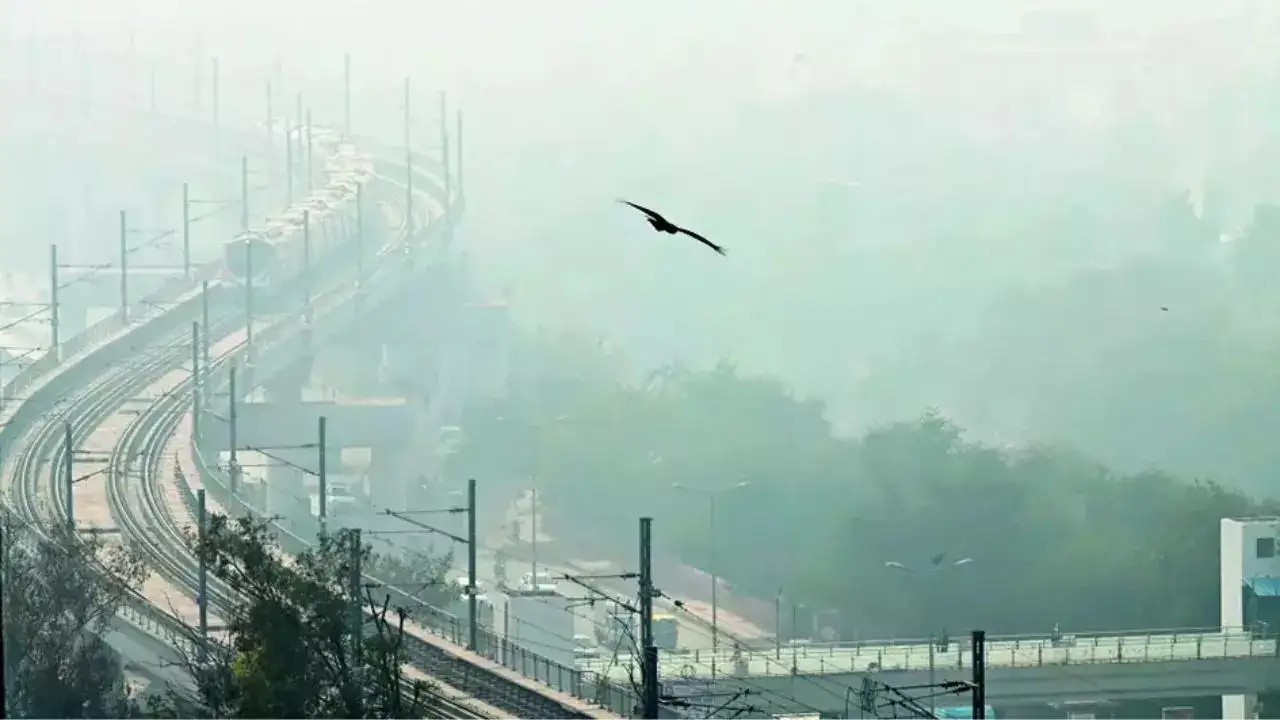
It is a damning failure. Delhi's AQI was 377 on Tuesday, in the very poor category, while CAQM was busy issuing notices for stubble burning in Punjab. The irony: we crack down on farmers 300 km away but don't know what percentage of Delhi's PM2.5 comes from vehicles, dust, construction, or industry within NCR itself.
TERI and IIT studies cited show transport contributes 20-30%, dust 15-25%, but without updated city-wise apportionment, policy is blind. How can you decide whether to ban BS-IV vehicles or stop construction if you don't know the source?
From Indian governance lens, this reflects our love for emergency measures over science. GRAP Stage III, IV - banning construction, ordering 50% WFH in Gurgaon firms - hits daily wage workers first. The marble market in Kirti Nagar report says the same: "Should we go home? Workers, traders anxious over construction ban." 40,000 workers in that market alone face income loss.
Gurgaon expanding hybrid mode, Eiffel Tower closing in Paris due to protests over cost of living - both show how environmental and economic stress is global, but India's cost is inequity.
The way out is not more bans, but mandatory, peer-reviewed source apportionment every two years, public dashboards, and polluter-specific action. Until then, Delhi's winter will remain a predictable gas chamber with unpredictable governance.
Tags: #DelhiAQI #NCRPollution #SourceApportionment #NCAP #GRAP #AirPollution #Noida #Faridabad #ConstructionBan #CAQM